- Live Life Sober
- Posts
- On the Rocks: How Alcohol Can Leave Your Bones on Thin Ice
On the Rocks: How Alcohol Can Leave Your Bones on Thin Ice
The keys to stronger bones awaits!

Sebastian Gazzara
May 02, 2023
Raise your hand if you've ever heard of the phrase "drinking weakens your bones"? If you didn't raise your hand, you're not alone. Many people don't associate alcohol with bone health, but the truth is that alcohol can have a negative impact on your bone density. In this newsletter, we'll explore why alcohol is bad for your bones and what you can do to protect your bone health.
First, let's talk about bone density. Bone density refers to the amount of bone mineral and calcium that is present in your bones. The higher your bone density, the stronger your bones are and the less likely you are to experience fractures and other bone-related injuries. As we age, our bone density naturally decreases, which is why it's important to take steps to protect our bones.
Now, let's talk about how alcohol affects bone density. When you drink alcohol, it can interfere with the way your body absorbs and uses important bone-building nutrients like calcium, vitamin D, and magnesium. Additionally, alcohol can interfere with the production of new bone tissue, which means that your bones may not be as strong and healthy as they could be.

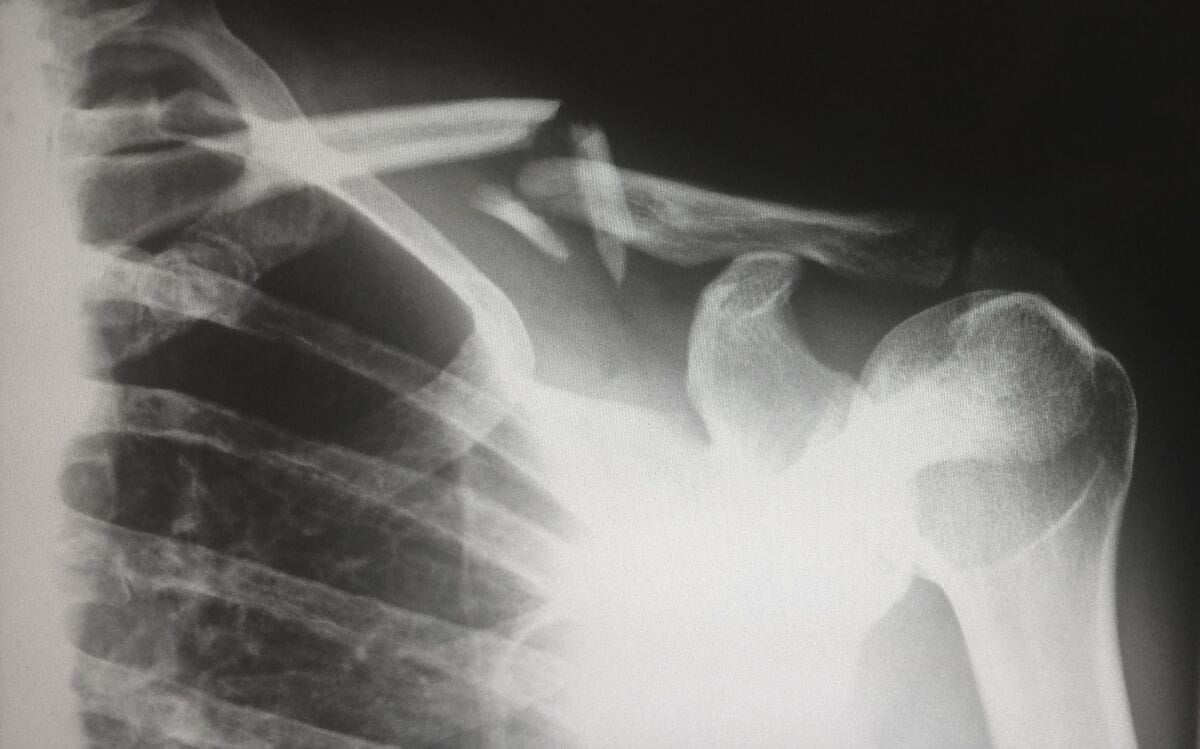
Studies have shown that people who drink heavily are at a higher risk of developing osteoporosis, a condition in which the bones become weak and brittle. Osteoporosis is a serious condition that can increase the risk of fractures, particularly in the spine, hips, and wrists.
But it's not just heavy drinking that can impact your bone density. Even moderate drinking can have a negative effect on your bones. According to a study published in the American Journal of Clinical Nutrition, women who consumed one or more alcoholic drinks per day had lower bone density than women who didn't drink alcohol.
So, what can you do to protect your bone health if you enjoy the occasional drink? First, it's important to drink in moderation. According to the National Institute on Alcohol Abuse and Alcoholism, moderate drinking is defined as up to one drink per day for women and up to two drinks per day for men. Keep in mind that these guidelines are not a license to drink heavily; rather, they are meant to provide a framework for responsible drinking.
Second, make sure you're getting enough calcium and vitamin D. These nutrients are essential for strong bones, and many people don't get enough of them in their diets. Good sources of calcium include dairy products, leafy green vegetables, and fortified foods like cereal and orange juice. Good sources of vitamin D include fatty fish, egg yolks, and fortified foods like milk and cereal.
Finally, consider adding weight-bearing exercise to your routine. Weight-bearing exercises, like walking, jogging, and weightlifting, can help strengthen your bones and improve your bone density over time. The key is to choose exercises that are safe for your fitness level and to gradually increase the intensity and duration of your workouts over time.
In conclusion, alcohol can have a negative impact on your bone density, which can increase your risk of fractures and other bone-related injuries. If you enjoy drinking, it's important to do so in moderation and to make sure you're getting enough calcium and vitamin D in your diet. Additionally, adding weight-bearing exercise to your routine can help strengthen your bones and improve your bone density over time. By taking these steps, you can help protect your bone health and keep your bones strong and healthy for years to come.
-Sincerely,
S.G.
Reply